Choosing Cabinet Hardware, Hinges and Drawer Slides
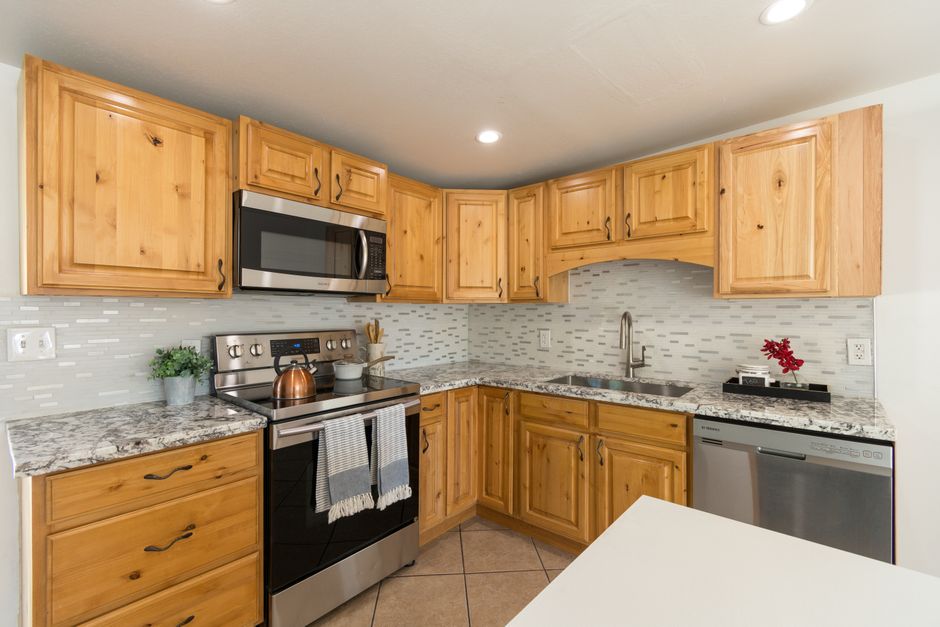
Pick up a pull before it is bought and close the whole hand around it, because a pull that looks right on a sample board can be too short for a full drawer. The hole spacing sets what fits, and kitchen cabinets austin safety in construction show sets the order deliberately, from the hinge and slide first, then the pull, then the drilling for a kitchen in Austin, TX.
Hole spacing and pull length
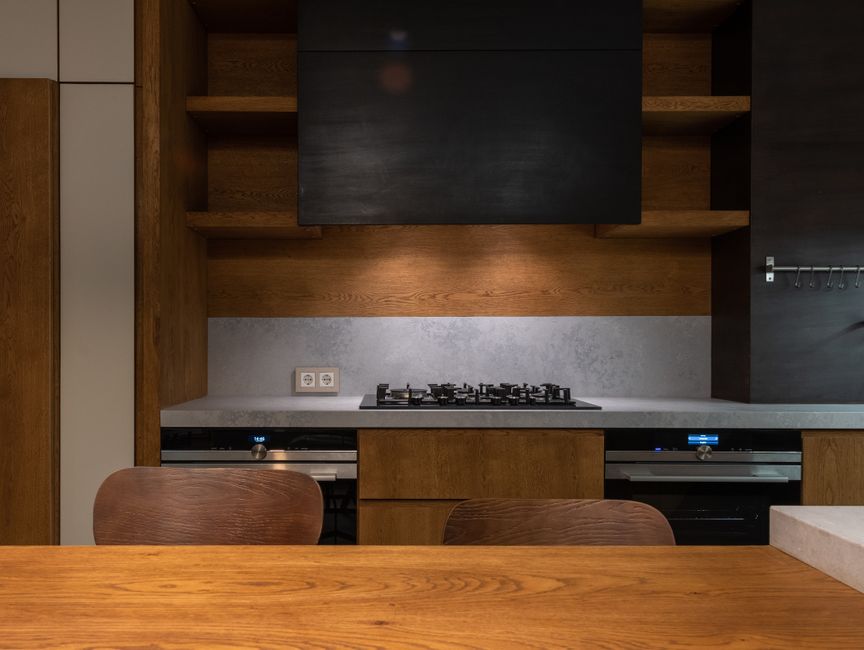
Pulls are sized by the distance between screw holes, such as three inches or five inches, and the overall length of the pull is longer than that. Matching the spacing to existing holes saves drilling and patching when only the hardware is being replaced. A wide drawer wants a longer pull, or two knobs, so the drawer does not twist as it opens.
Overlay and inset doors
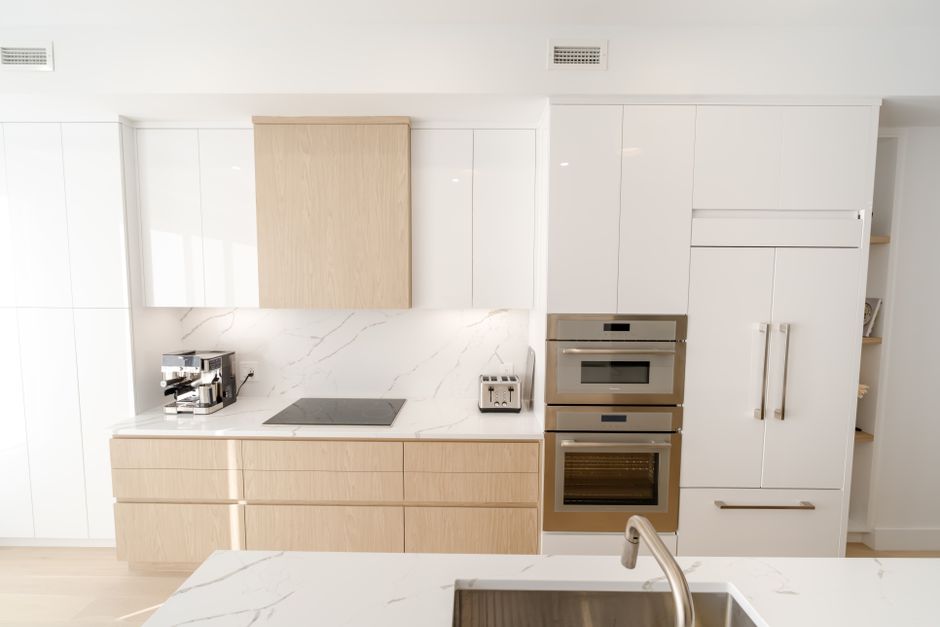
A full overlay door covers the face frame almost completely and leaves a thin gap between doors. A partial overlay door shows part of the frame. An inset door sits inside the frame, flush, with a visible reveal all the way round. Each style needs a different hinge, and an inset door in a house that shifts needs the most adjustment, since any lean shows in the reveal.
Hinges
A concealed euro hinge is set into a round hole bored in the door, and it adjusts three ways. A soft close version has a small damper that stops the door from slamming. Tall pantry doors need hinges rated for the weight, and a heavy hardwood door takes three hinges instead of two.
Drawer slides
A full-extension drawer slide lets the drawer come out all the way, so the back of a deep drawer is reachable. Under-mount slides hide beneath the drawer box and pair with a dovetail drawer, which holds heavy pots without racking. Side-mount slides are quicker to fit and are common on utility drawers.
Drilling and finish
A drilling template, a small jig with fixed spacing, keeps every pull in the same spot. Measure from the door edge, mark with tape, and drill from the front with a scrap piece behind the door so the finish does not chip on the way out. Brushed finishes hide fingerprints, while polished brass and chrome show hand oil and cooking grease quickly, and the finish near a range wears first.
Handles on painted doors leave a ring of wear at the hand line over the years, so a pull with a larger footprint spreads that mark out.